US Warns of Expanded Secondary Sanctions on Iran; China: China-Iran Cooperation Must Not Be Disrupted
Crhk · 3 SOURCESabout 1 hour ago2 MIN
Summary
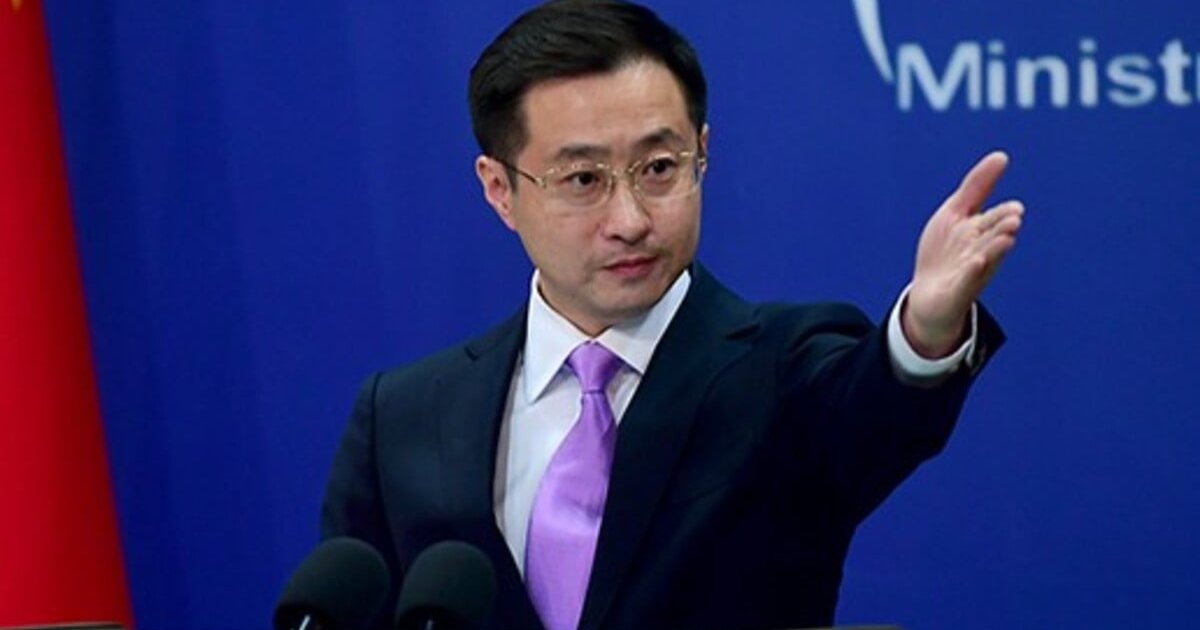
The United States launched a major economic offensive against Iran on Monday, with Treasury Secretary Scott Bessent announcing what he called an "economic D-Day" — Operation Economic Outcast — designed to cut off Tehran from global financial and trade networks. The expanded sanctions cover five key sectors: digital assets including cryptocurrency, technology, gold, aviation and shipping. The administration also suspended various permits related to education, personal remittances, and academic exchanges involving Iran. Speaking in Beijing, Chinese Foreign Ministry spokesperson Lin Jian reiterated China's opposition to unilateral sanctions without UN Security Council authorization, stating that China-Iran cooperation must not be disrupted.
Key Points
- US Treasury Secretary Scott Bessent announced Operation Economic Outcast, describing it as an "economic D-Day" to sever Iran's economic lifelines until Tehran is completely isolated
- Sanctions expanded to five sectors: digital assets and cryptocurrency, technology, gold, aviation, and shipping, with permits suspended for education, personal remittances, sports and academic exchanges
- Approximately 60 entities, individuals and vessels in mainland China, Hong Kong, Singapore and Europe were sanctioned for nuclear and missile technology procurement, cyber operations and oil trade
- Iranian rial plunged to a record low of 2.02 million per US dollar before the announcement; Iran's parliament speaker indicated trade partners would not take US threats seriously
- China, as the largest buyer of Iranian oil, faced implicit targeting; Bessent stated no country is above US sanctions while Beijing insisted cooperation operates within international law
Why It Matters
The announcement represents a significant escalation in US pressure on Iran, moving beyond rhetoric to impose concrete costs on third countries doing business with Tehran. For Hong Kong, which hosts numerous trading companies and financial institutions that could be caught in the sanctions net, the measures raise compliance risks and potential exposure to US secondary sanctions if any dealings with Iran continue .
The announcement represents a significant escalation in US pressure on Iran, moving beyond rhetoric to impose concrete costs on third countries doing business with Tehran. For Hong Kong, which hosts numerous trading companies and financial institutions that could be caught in the sanctions net, the measures raise compliance risks and potential exposure to US secondary sanctions if any dealings with Iran continue .