EPD Launches Street Shop Food Waste Recycling Pilot in Tsuen Wan
SingTao · 1 SOURCESabout 1 hour ago2 MIN
Summary
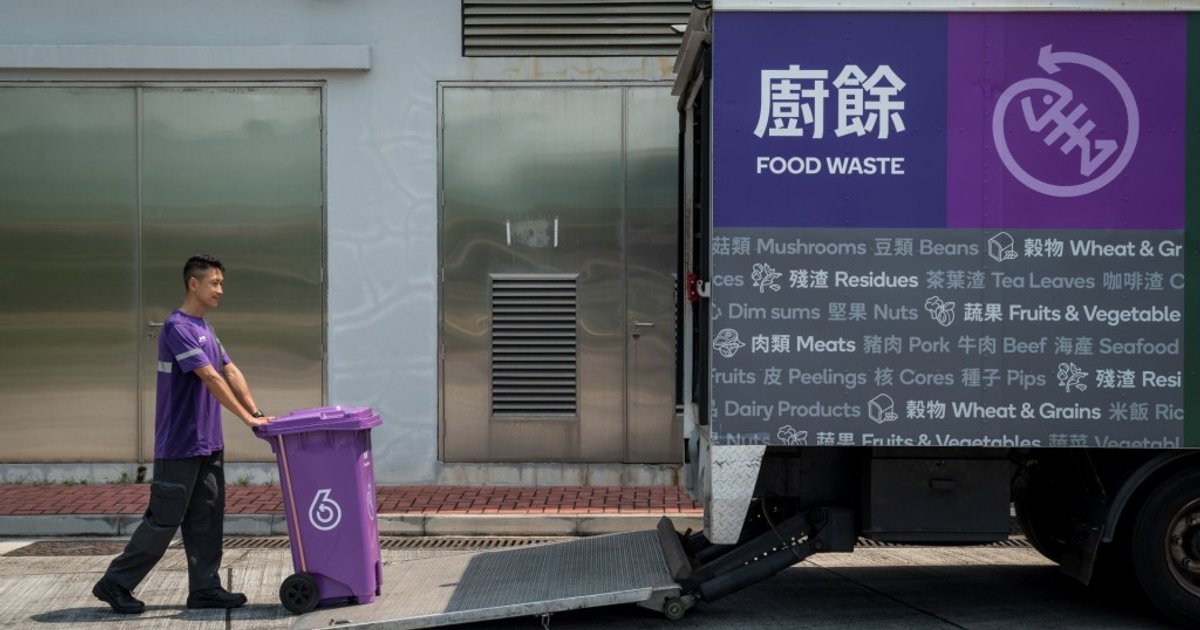
The Environmental Protection Department (EPD) is launching a six-month pilot food waste recycling scheme targeting street shops in Tsuen Wan's Chuan Long Street and He Bei Street area from September 2024. The initiative, submitted to the Tsuen Wan District Council, will establish three new food waste collection points equipped with 120-litre bins to serve more than 100 street shops . This pilot programme is designed to collect data and feedback to develop a long-term street shop food waste recycling strategy aligned with the government's goal of achieving zero municipal solid waste to landfill by 2035 .
Key Points
- The pilot scheme covers portions of Chuan Long Street, He Bei Street, Yeung Uk Road, and New Village Street in Tsuen Wan, expected to benefit over 100 street shops
- Three new collection points will be strategically positioned near larger street shops, each equipped with two 120-litre food waste recycling bins
- Collection hours are provisionally set from 9am to 9pm daily, Monday through Sunday, addressing previous timing mismatches with the existing mobile collection service (6pm-8pm)
- The EPD's contractor will conduct outreach and education for shop operators and cleaning staff, providing promotional materials and food waste stickers for containers
- Legislator Kwok Fu-yung of the Democratic Alliance for the Betterment and Progress of Hong Kong welcomed the scheme but stressed the need for flexible adjustments and continuous support mechanisms
Why It Matters
The pilot scheme directly supports Hong Kong's ambitious target of zero waste to landfill by 2035 by addressing a critical gap in food waste recycling at the street shop level . Success could establish a replicable model for other districts with high concentrations of food-related businesses, significantly improving the territory's overall recycling rates .
The pilot scheme directly supports Hong Kong's ambitious target of zero waste to landfill by 2035 by addressing a critical gap in food waste recycling at the street shop level . Success could establish a replicable model for other districts with high concentrations of food-related businesses, significantly improving the territory's overall recycling rates .