Shenzhen Man Hospitalized with Life-Threatening Skin Infection from Foot Scratching
SingTao · 1 SOURCESabout 2 hours ago2 MIN
Summary
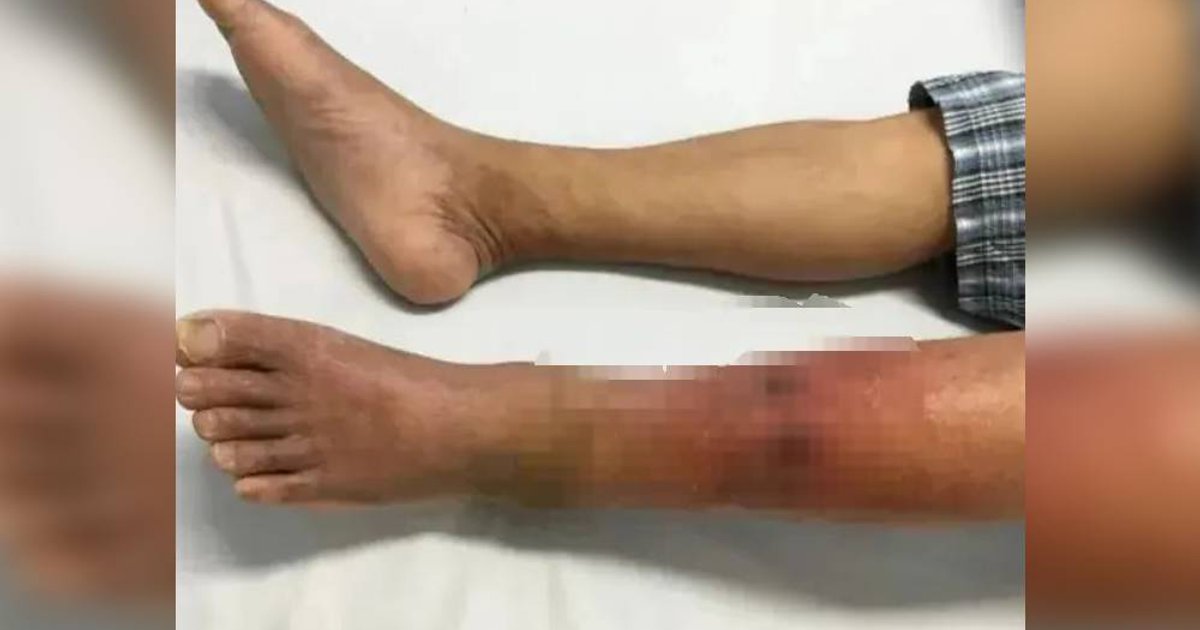
A 49-year-old man in Shenzhen, standing 1.8 meters tall and weighing 200 pounds, was rushed to Longhua District People's Hospital after his right leg became severely swollen and inflamed, resembling a "big radish." After detailed examination, doctors diagnosed him with acute subcutaneous tissue infection known as erysipelas. The patient, whose surname is Yang, had suffered from athlete's foot for years and developed a habit of frequently scratching his feet without washing his hands afterward. In another case, an elderly patient with a 10-year history of diabetes developed erysipelas on the left side of his face after years of picking his nose. Medical specialists are emphasizing the importance of recognizing that erysipelas is caused by bacteria, not viruses as many mistakenly believe.
Key Points
- Yang, a 49-year-old patient, stands 1.8 meters tall and weighs 200 pounds, seeking treatment at Shenzhen Longhua District People's Hospital for severe right leg swelling .
- Doctors diagnosed acute erysipelas caused by his chronic habit of scratching athlete's feet followed by not washing his hands .
- Another elderly patient with 10 years of diabetes developed facial erysipelas from a prolonged nose-picking habit .
- Urological and infectious disease specialists clarified that erysipelas is a bacterial infection, contradicting popular misconception .
- Medical experts advocate the "Three No Principle": avoid scratching wounds, maintain hygiene, and seek immediate medical attention for skin infections .
Why It Matters
Erysipelas can progress rapidly and become life-threatening if untreated, particularly for high-risk groups such as diabetic patients and obese individuals. Hong Kong, with its humid climate and high prevalence of athlete's foot, sees many residents who may unknowingly engage in similar habits that could lead to serious infections. Public awareness of proper skin care and hygiene practices could prevent potentially fatal complications.
Erysipelas can progress rapidly and become life-threatening if untreated, particularly for high-risk groups such as diabetic patients and obese individuals. Hong Kong, with its humid climate and high prevalence of athlete's foot, sees many residents who may unknowingly engage in similar habits that could lead to serious infections. Public awareness of proper skin care and hygiene practices could prevent potentially fatal complications.